Mga Alternatibo sa Musoni System para sa mga Lumalagong Nagpapautang
Ihambing ang pinakamahusay na mga alternatibo sa Musoni System para sa mga lumalagong nagpapautang at MFI. Maghanap ng mga platform ng pamamahala ng pautang na may built-in na accounting at mga mobile tool para sa field.
- Nailathala
- Na-update
Sa post na ito
- What To Look For In A Replacement Platform
- Loan Lifecycle Coverage And Configurable Loan Products
- Accounting, Reconciliation And Portfolio Visibility
- Field Access, Borrower Service And Branch Controls
- Leading Options For Lending Operations
- Lendbox For Small And Growing Lenders
- Mambu For Cloud Banking Architecture
- nCino For Bank Operating Workflows
- Loandisk
- Lendsqr
- How Lendbox Compares For Day-To-Day Lending
- One Loan Book And Double-Entry Accounting
- Mobile Workflows And Borrower Self-Service
- Risk Review, Document Checks And Operational Control
- Choosing The Right Fit For Your Lending Model
- Fit For MFIs, SACCOs And Group Lenders
- Fit For Multi-Branch And Field-Based Teams
- Fit For Banks And Complex Product Portfolios
- Plan A Low-Disruption Move From Your Current System
- Audit Your Loan Data And Operating Processes
- Test Repayment, Accounting And Approval Workflows
- Prepare Your Team And Import Your Loan Book
If you run a lending business and you're searching for Musoni System alternatives, you're probably not looking for a massive technology project. You want a platform that records repayments accurately, shows you today's arrears without hours in spreadsheets, and lets your loan officers work in the field without constantly calling the office.
Musoni System is a recognized name in microfinance tech, and for plenty of lenders, it does the job. But lenders often start looking elsewhere for reasons like pricing that stops making sense as you grow, features aimed at bigger institutions you don't need, accounting that's separate from the loan book, or a mobile experience that doesn't fit how your team actually works.
The best way to narrow down replacements? Separate two needs: a focused loan management platform for daily operations, versus a full core banking platform for deposit-taking institutions with complex products. Most MFIs, SACCOs, and independent lenders just need the first and end up quoted for the second.
This guide covers what to check, which options to consider, and how to move your loan book over without missing a week of collections. If you’d rather see it than read about it, just start a free trial at lendbox.io and import your Excel file to see your real portfolio position the same day.
What To Look For In A Replacement Platform
Switch platforms only if the new system manages your loan lifecycle end to end, links loan activity to your books, and works on a phone—even in a barangay with weak signal. Focus on those three things before anything else.
Loan Lifecycle Coverage And Configurable Loan Products
Make sure one system carries a loan from application through approval, disbursement, repayment, penalties, and closure. Every gap turns into a spreadsheet, and every spreadsheet becomes a reconciliation headache.
Test product configuration with your own products, not a demo. Salary deduction loans, weekly vendor loans, group loans with joint liability, and asset finance all work differently. If the platform can’t generate the right schedule or apply interest the way you actually charge it, nothing downstream will add up.
Automation matters in a real way: schedules generated automatically, penalties applied by rule, and fees charged upfront or spread out as needed.
Accounting, Reconciliation And Portfolio Visibility
This is where most lenders lose the most time. If your loan book and ledger are in separate systems, month-end close turns into a manual matching ordeal, and your cash position is always a bit outdated.
Look for double-entry accounting inside the platform, so loan events create journal entries, with a shared chart of accounts, bank reconciliation, and financial statements that you can hand to your accountant.
Insist on portfolio at risk (PAR), aging buckets at 30, 60, and 90 days, and a repayments report you can pull daily.
Field Access, Borrower Service And Branch Controls
Mobile banking-style access for staff isn't just a nice-to-have when your officers collect in the field. A real Android and iOS app with full features beats a responsive website every time, because officers can record repayments and check balances right where the borrower is.
Borrowers expect self-service too. A branded portal where they can view statements, receipts, and repayments cuts down on phone calls to your office.
Controls matter: role-based permissions, branch-level visibility, approval workflows, and a clear audit trail of who changed what.
Leading Options For Lending Operations
The market splits pretty cleanly. Some platforms are built for lending operations at MFI and independent-lender scale; others are cloud-based core banking software for institutions running deposits, treasury, and complicated portfolios. Match the tool to the job you actually have.
| Platform | Ginawa para sa | Pinakaangkop sa | Suriin bago mag-commit |
|---|---|---|---|
| Lendbox | Pamamahala ng pautang na may built-in na double-entry accounting | Maliliit at lumalagong nagpapautang, kasama ang mga field-based na team | Hindi ito buong core banking platform |
| Mambu | Cloud banking na may composable, API-driven na arkitektura | Mga institusyong may sariling engineering team o ng partner | Saklaw ng implementasyon; malamang na mas marami kaysa kailangan ng maliit na nagpapautang |
| nCino | Bank origination at mga workflow ng kredito | Mga bangko at mas malalaking institusyon | Malamang na sobra para sa araw-araw na koleksyon; kumpirmahin ang saklaw at presyo |
| Loandisk | Web-based na pamamahala ng pautang | Maliliit na nagpapautang at mga operasyon ng microfinance | Mga feature sa accounting at karanasan sa mobile habang lumalampas ka sa ilang sangay |
| Lendsqr | Origination at decisioning para sa online-first na pagpapautang | Mga digital na nagpapautang | Suporta sa mga field workflow tulad ng cash collection at pulong ng grupo |
Lendbox For Small And Growing Lenders
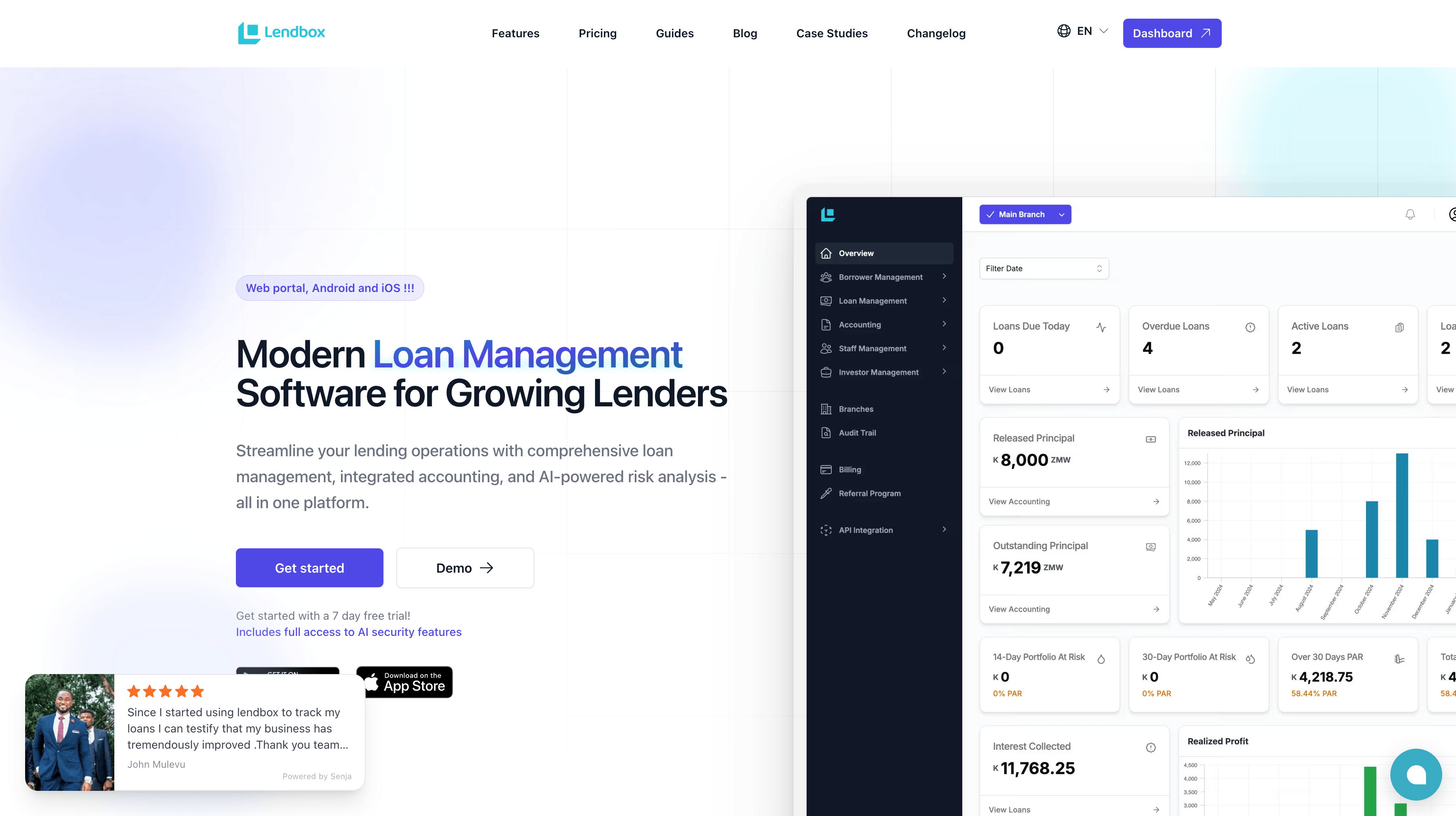
Lendbox is loan management software for lenders who've outgrown spreadsheets but don't need a full core banking platform. It handles applications, approvals, disbursement, repayments, penalties, collateral, and collections in one flow, with double-entry accounting built in.
Web, Android, and iOS all have full feature access, which is great for field officers. Plans start at $25 per month with a 30-day free trial, no setup fee, and all features on every tier—the only difference is branches and staff seats.
You can import data from Excel or CSV, and the team will set up your account from your file.
Mambu For Cloud Banking Architecture
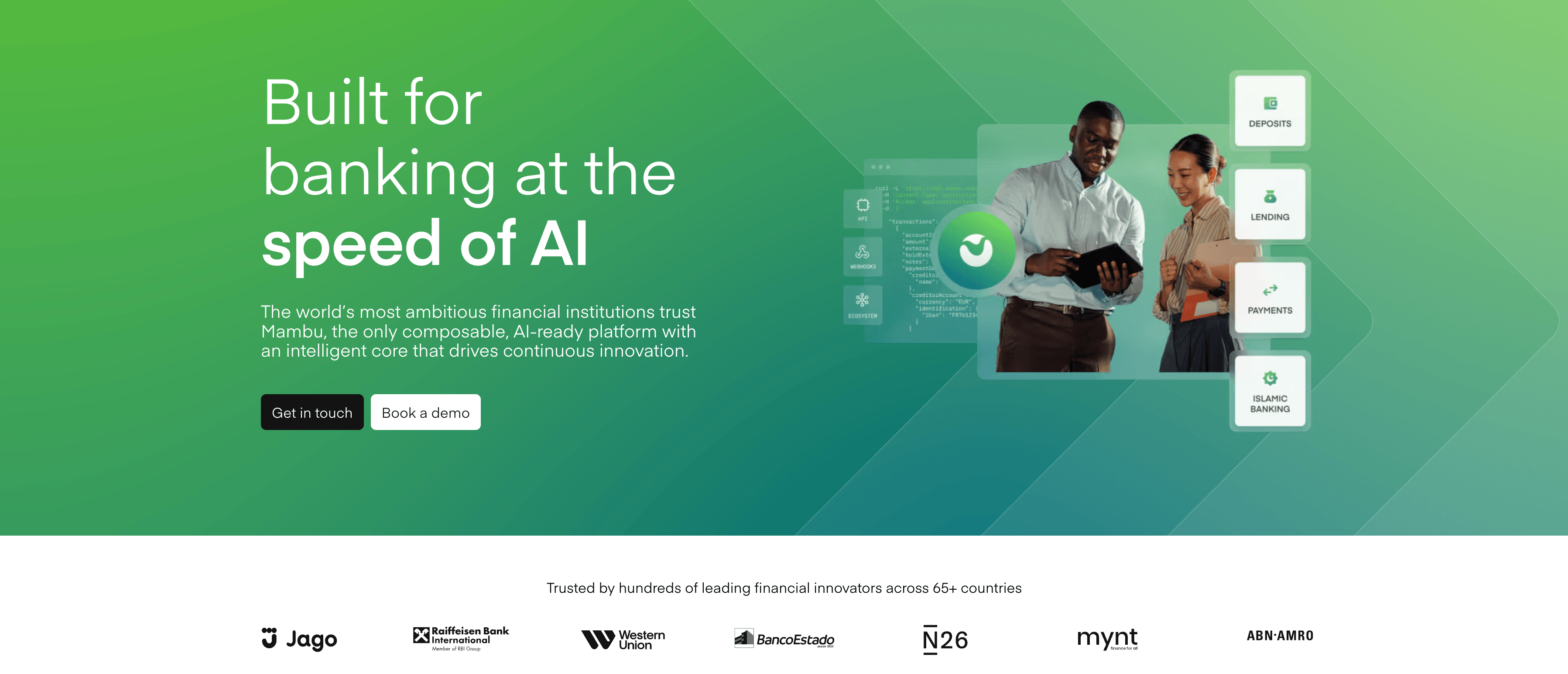
Mambu is a cloud banking platform built around composable architecture, usually chosen by institutions building products via APIs with their own or partner engineering teams.
That flexibility is real, but it comes with implementation scope. If you have three branches and six staff, you'll probably buy capability you never use. Only treat it as an option if you have the tech team and roadmap to actually need it.
nCino For Bank Operating Workflows
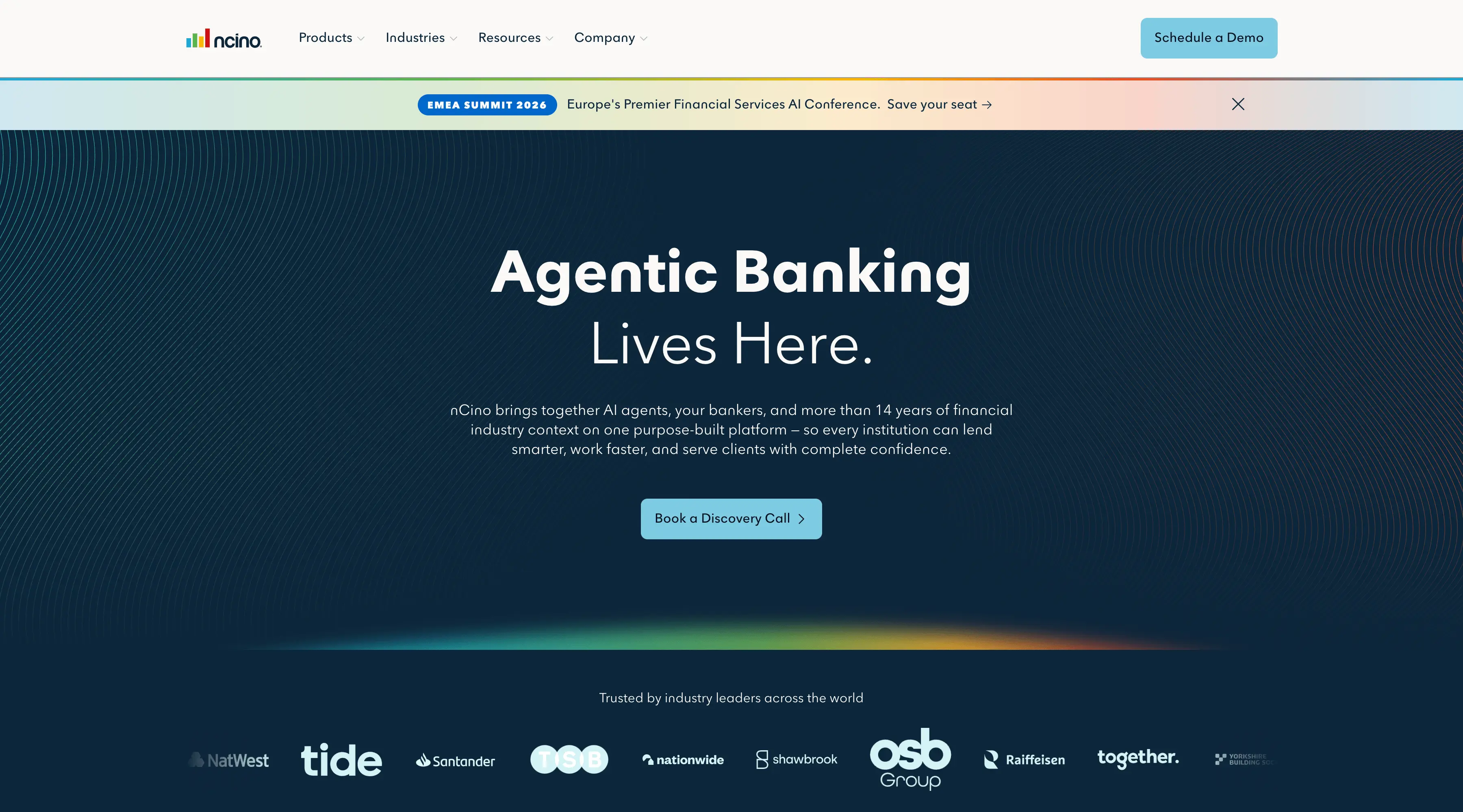
nCino targets banks and larger institutions, focusing on origination workflows, credit processes, and operating discipline across lending teams.
For a bank consolidating messy internal processes, that focus makes sense. For an independent lender running daily collections, it's probably overkill. Confirm the scope and pricing before you even shortlist it.
Loandisk

Loandisk is a long-standing web-based loan management product used by small lenders and microfinance operations. It covers borrowers, loans, repayments, and reporting.
It's simple and familiar, which is honestly a big part of the appeal. Test the accounting features and see how the mobile experience works for your team—those tend to be the pain points as you grow past a couple of branches.
Lendsqr
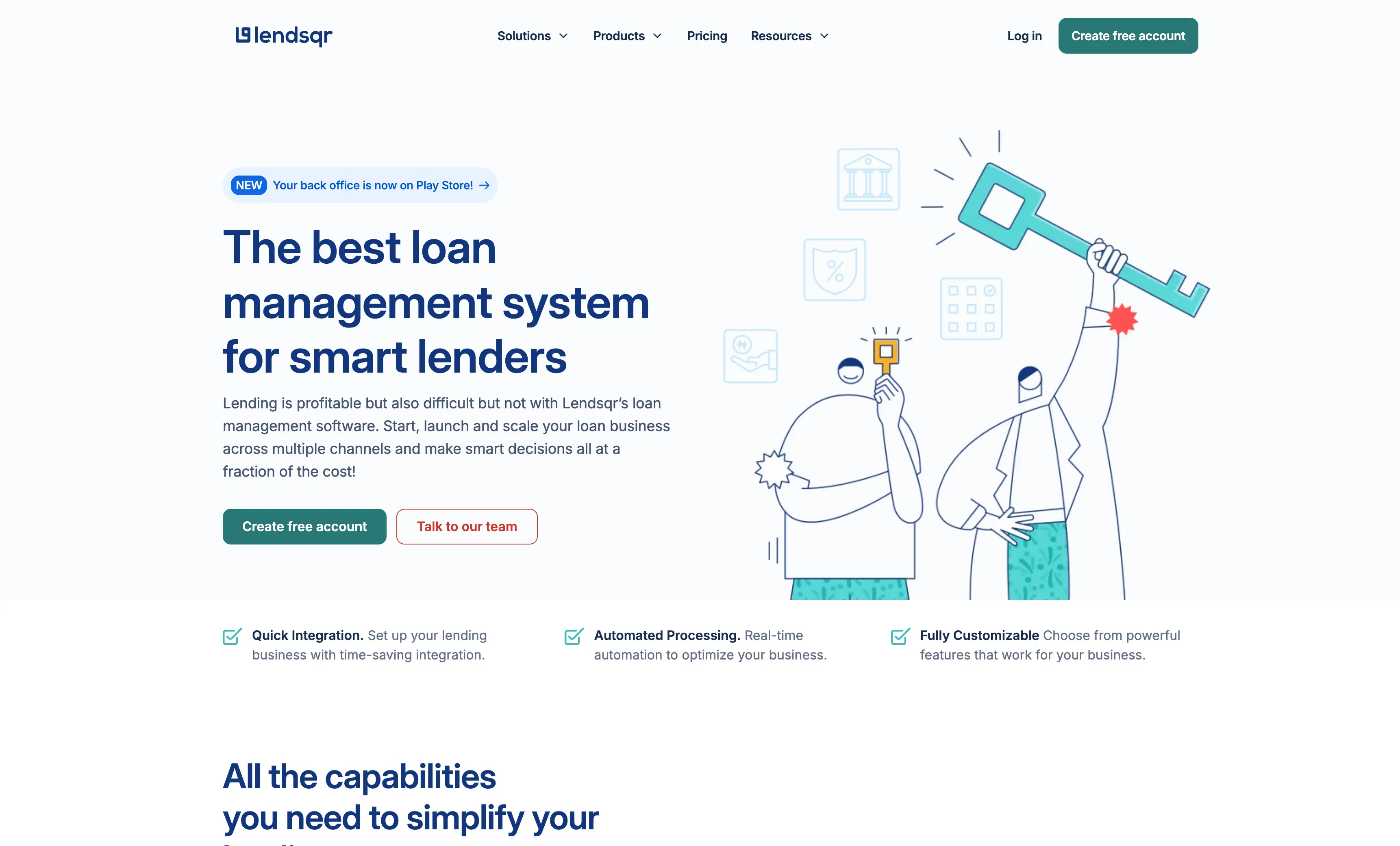
Lendsqr is a lending platform for digital lenders, focusing on loan origination and decisioning for online-first models.
If your borrowers apply digitally and repay electronically, it fits. If you do cash collections, group meetings, and branch operations, check how well it supports field workflows before you commit.
How Lendbox Compares For Day-To-Day Lending
When it comes to the work that fills your week—recording repayments, chasing arrears, closing the month, and keeping officers honest—a focused platform usually wins. Here's how Lendbox stacks up for those jobs.
One Loan Book And Double-Entry Accounting
Loan activity creates journal entries automatically, so disbursements, repayments, fees, and penalties hit the ledger as they happen. That removes the usual double entry of recording a payment in the loan system and again in a separate accounting file.
You get a chart of accounts shared across branches, manual transactions when you need them, bank reconciliation, multi-currency, and financial statements. Month-end stops being an archaeology dig.
Mobile Workflows And Borrower Self-Service
The Android and iOS apps have the same features as the web portal, so an officer can record a repayment at the borrower's shop instead of writing it in a receipt book and typing it up later.
Borrowers get a branded portal for statements, repayment history, receipts, and online applications. With automated notifications by WhatsApp, SMS, and email for due dates and repayment confirmations, the "what's my balance?" calls drop off.
Risk Review, Document Checks And Operational Control
Two AI uses genuinely matter here: credit risk scoring with a risk profile per borrower, and document checks that flag suspicious uploaded IDs or bank statements for human review.
Control comes from staff roles and permissions, branch visibility, multi-step approvals on loans, repayments, and journal entries, and a detailed audit trail. That's how you spot whose book is slipping before the arrears report even hits.
Choosing The Right Fit For Your Lending Model
It really depends on what you lend, how you collect, and who your regulator sees you as. A deposit-taking bank and a three-branch salary lender shouldn't be shortlisting the same banking software.
Fit For MFIs, SACCOs And Group Lenders
If you run group lending with joint liability, you need borrower groups, group reporting, and schedules that actually match how the group repays. A lot of banking platforms treat groups as an afterthought.
MFIs and SACCOs also need custom borrower fields, income and expense records, document storage per borrower, and collateral registers. A focused lending platform gives you that without a big configuration project.
Fit For Multi-Branch And Field-Based Teams
Multi-branch lending falls apart on visibility. If head office sees a picture that's three days old, you can't manage cash or arrears properly.
Look for branch-level visibility tied to staff role, officer and branch performance views, a daily business report, and full mobile access for field staff. If your officers work outside the office most days, the mobile app is the deciding feature—not a bonus.
Fit For Banks And Complex Product Portfolios
If you take deposits, run treasury operations, issue cards, or need integration across lots of internal systems, you're shopping for core banking software, not just loan management.
Platforms like Mambu, nCino, and similar enterprise options fit here. Expect longer implementations, more technical resources, and pricing that depends on scope. Be honest about which category you fall into before you sit through a demo.
Plan A Low-Disruption Move From Your Current System
Platform moves go wrong when you try to do it all in one weekend with no rehearsal. Run the old and new side by side for a bit, check that the numbers match, then cut over.
Audit Your Loan Data And Operating Processes
Export everything from Musoni System first: borrowers, active loans, balances, schedules, repayment history, fees applied, and collateral records. Double-check it before you import anywhere.
Write down how you actually work, not what the manual says. Who approves a restructure? How do you allocate a partial payment? What happens when a borrower pays cash at a branch that's not their own? These rules decide your configuration.
Test Repayment, Accounting And Approval Workflows
Take five real loans, one from each product you offer, and rebuild them in the new platform. Compare the generated schedule, interest, fees, and penalties against your existing records line by line.
Test the accounting side too. Post a disbursement and a repayment, and confirm the journal entries land where your accountant expects. Run the approval workflow with the actual staff, including at least one rejection for good measure.
Prepare Your Team And Import Your Loan Book
Forget training by endless feature lists. Focus on each role instead.
Your loan officer needs to know the mobile flow for applications and repayments. The bookkeeper? They're all about reconciliation and reports.
Branch managers just want approvals and that daily business report. Everyone gets what they actually use.
Next up, import your data. Use Excel or CSV to bring in your loan book.
Once you upload, automation kicks in—schedules and notifications just happen. Pretty smooth, honestly.
If migration's the thing slowing you down, just send over your spreadsheet. Someone will set it up for you.
Try Lendbox free at lendbox.io. You can import your Excel in an afternoon—no card required.
Mga pinagmulan
Handa na bang gawing moderno ang iyong pagpapautang?
Simulan ang 30-araw na libreng trial ng Lendbox at patakbuhin ang mga aplikasyon, pag-apruba at collections mula sa iisang lugar.
Walang kailangang card.